
Apr 21st 2026
Dancer Wellness
Self-Care for Dancers:
Small Habits That Make a Big Difference
You show up every day. Here's how to take care of the body that shows up with you.
Dancers are remarkable athletes. You train your strength, flexibility, artistry, and endurance simultaneously — and you do it with a smile, a pointed toe, and usually a full schedule. But with that level of dedication comes real physical demand: sore muscles, tired feet, and the constant risk of injury.
Here's the truth: self-care isn't a luxury for dancers. It's training. The habits you build off the floor are just as important as the hours you put in on it.
Whether you're a competition dancer, a ballet student, or somewhere in between, this guide will help you build a simple, sustainable self-care routine that protects your body — and helps you dance stronger, longer, and with more confidence.
· · ·
Start With Your Feet
Your feet are your foundation. They absorb impact, carry your weight, and do more work in a single class than most people's feet do in a week. Neglecting them is one of the most common mistakes dancers make — and one of the easiest to fix.
Stretch With Intention
Stretching after class is a habit most dancers have. Stretching well is a habit fewer have mastered. The difference is intention.
Even adding 10 focused minutes of intentional stretching to your routine can noticeably improve your flexibility and reduce next-day soreness over time.
Roll It Out After Every Class
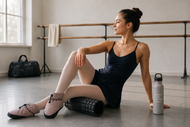
If you're not rolling out your muscles after class, you're missing one of the simplest and most effective recovery tools available.
Rolling increases circulation, breaks up tension, reduces muscle knots, and helps your body recover faster so you feel fresher at your next rehearsal.
Hydrate Like the Athlete You Are
Dehydration is one of the sneakiest performance killers. When you're dehydrated, you fatigue faster, cramp more easily, and your focus suffers.
Your body is working hard. Give it what it needs to keep going.
Treat Recovery Like Part of Your Training
Rest isn't the opposite of hard work. Rest is hard work — for your muscles, your nervous system, and your mental stamina.
Consistent recovery prevents the burnout and overuse injuries that sideline dancers for weeks at a time. Protecting your body now means more time on the floor doing what you love.
Build Your Dance Bag Care Kit
Being prepared is its own form of self-care. A small kit in your bag means you can handle whatever comes up — mid-rehearsal blister, torn nail, tired feet — without missing a beat.
| ✓ Toe tape | ✓ Blister pads | ✓ Band-aids |
| ✓ Nail clippers | ✓ Foot spray | ✓ Massage ball |
This kit costs very little but gives you so much: comfort, confidence, and the ability to stay focused on dancing instead of managing discomfort.
Don't Forget Your Mind
Dance is physical, yes — but it's also deeply emotional and mental. The pressure to perform, improve, and compare yourself to others can quietly take a toll.
Confidence isn't just built in the studio — it's built in how you talk to yourself, how you recover, and how you show up for your own well-being.
· · ·
When Dancers Take Care of Themselves,
They Dance Stronger & Longer
Self-care doesn't have to be complicated. Tape your toes. Roll out your feet. Drink your water. Rest when you need to. Show up for your body the way you show up for your art.
Shop Dancer Care Essentials